Physical Restraint and Behavioral Intervention Injuries
Injured? Need Help? Call Us Today.


Physical restraint inside an ABA therapy center is meant to be a last resort — a brief, clinically directed response used only when a child poses an immediate danger to themselves or others. When restraint is used outside those narrow circumstances, applied by staff without proper crisis-intervention training, or continued beyond what is safe, the consequences can include broken bones, suffocation, lasting psychological trauma, and in the most serious cases, death.
Restraint cases sit at the intersection of personal injury, medical-legal investigation, and — in the most tragic outcomes — wrongful death litigation. Burnside Law Firm LLP brings more than 30 years of collective experience in those areas, including representation of clients with traumatic brain injuries, spinal cord damage, and other catastrophic harms. Our attorneys have been selected to the Georgia Super Lawyers® and Super Lawyers® Rising Stars lists for multiple consecutive years and have earned peer recognition including Martindale-Hubbell’s AV Preeminent® rating. The firm continues the legacy of founding attorney Thomas R. Burnside Jr., whose name today designates the State Bar of Georgia’s award for excellence in bar leadership.
We represent families in Augusta, Evans, Martinez, the CSRA, Athens, and throughout Georgia whose children with autism or developmental differences were injured during a restraint, hold, or behavioral intervention at an ABA clinic, autism therapy center, or behavioral therapy facility.
Modern ABA practice and most accepted crisis-intervention frameworks treat physical restraint as an emergency measure, not a behavior-management tool. A restraint is generally only appropriate when a child’s behavior creates an imminent risk of serious physical harm, when less restrictive interventions have been tried or are not feasible, and when the staff carrying out the restraint have been trained in a recognized safe crisis system such as CPI, Safety-Care, or PCM. Restraint should be limited to the minimum duration necessary, documented in detail, and disclosed to parents promptly.
When any of those conditions are missing — when restraint is used to enforce compliance, applied by untrained personnel, continued longer than necessary, or hidden from families — the legal and ethical foundation for the intervention collapses, and the facility, its supervising clinicians, and its corporate ownership may bear responsibility for whatever harm results.
The injuries our firm investigates in this category fall into recognizable patterns:
In most restraint cases the central question is not whether a hold was technically permissible, but whether the staff member was equipped to recognize when not to use one. ABA centers that operate with high turnover, accelerated onboarding, and minimal hands-on crisis-intervention training place inexperienced technicians in front of dysregulated children and effectively guarantee that improper restraint will occur.
Operational issues we frequently uncover include staff whose crisis-intervention certifications have lapsed, behavior plans that authorize restraint without specifying alternatives, facilities that use restraint as a routine response rather than an emergency measure, missing or back-dated restraint documentation, and BCBA supervisors who were not present and did not review the event. Each of these is a factual finding that supports liability against the facility and, in many cases, the corporate entity above it.
“When a restraint goes wrong, the records often show that the same staff member had done it the same way many times before. The injury is the moment the system finally failed publicly.” — Burnside Law Firm
Because restraint events can produce injuries that are not immediately obvious — bruising that develops hours later, behavioral changes that emerge over days, internal injuries from compression — parents who suspect a restraint occurred should pursue prompt medical evaluation and request the facility’s records in writing.
Our firm approaches these cases with the same documentary discipline we bring to medical malpractice claims, drawing on medical experts and nurse consultants to review records and identify clinical inconsistencies. Critical documents include the restraint report itself, daily session notes from the relevant date, surveillance footage from the rooms involved, staff training and certification records, the child’s behavior intervention plan, prior restraint incident reports, and any communications between the facility and the BACB or the state. Photographs of bruising and a contemporaneous written timeline from the parent can be equally valuable.
If your child was injured during a restraint, hold, or behavioral escalation at an ABA therapy center in Georgia, the steps you take in the weeks that follow can determine what evidence survives and what compensation may be available. Burnside Law Firm offers a confidential, no-cost case review for families across Georgia. To speak with our team, call (706) 432-8320 or contact our Augusta office to schedule a consultation.

Thomas R. Burnside III is a personal injury lawyer who focuses his law practice on the representation of individuals who have suffered injury as a result of automobile collisions, trucking accidents, medical malpractice, work related accidents or other causes. With over 20 years of experience in personal injury law at both the trial and appellate court levels, Attorney Burnside has represented people with brain and head trauma...
Meet Thomas Burnside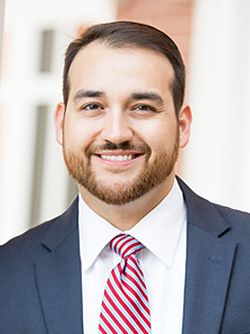
Garon Muller is a trial lawyer who focuses his law practice on the representation of individuals who have been seriously injured or damaged through the negligence or recklessness of others, including automobile collisions, workplace injuries, premises injuries, or defective products. Before beginning his practice in the representation of injured individuals, Mr. Muller served the community as an Assistant District Attorney...
Meet Garon Muller
Robert MacGregor is an experienced trial attorney licensed to practice law in Georgia and South Carolina. At the Burnside Law Firm, Robert devotes his practice to protecting the rights of individuals who have been injured because of someone else’s carelessness, negligence, or recklessness and represents those who have been injured in automobile collisions or tractor-trailer accidents; because of a slip and fall; and in other general negligence actions.
Meet Robert MacGregor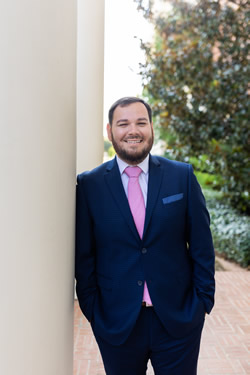
Ashton is a trial lawyer in Augusta, GA who focuses his law practice on the representation of individuals who have suffered serious injuries or damages due to the negligent or reckless conduct of others, including automobile wrecks, job-related accidents, unsafe premises, or defective
products. Before beginning his practice, Ashton obtained his J.D., at Emory University School of Law, where he gained valuable courtroom experience as an intern assisting the District Attorney for DeKalb
County. After his time at Emory, Ashton received experience as a trial attorney at a respected personal injury firm in Atlanta before moving to Augusta. Over the course of his career, Ashton has assisted deserving clients in recovering millions of dollars in injury cases throughout Georgia.